The Pregnancy Massage Course at Liz Academy Hub is designed for massage therapists who would like to develop the knowledge, practical skills and confidence required to adapt massage treatments appropriately for pregnant clients.
Pregnancy is a unique time in a woman’s life, and the body can experience many physical and emotional changes throughout this period.
Working with pregnant clients requires more than simply modifying a standard massage routine. It requires an understanding of pregnancy, appropriate positioning, client comfort, contraindications, precautions, professional boundaries and knowing when massage may not be suitable.
My aim is to teach you how to provide a relaxing and professional pregnancy massage while always placing the wellbeing, dignity and safety of the client first.
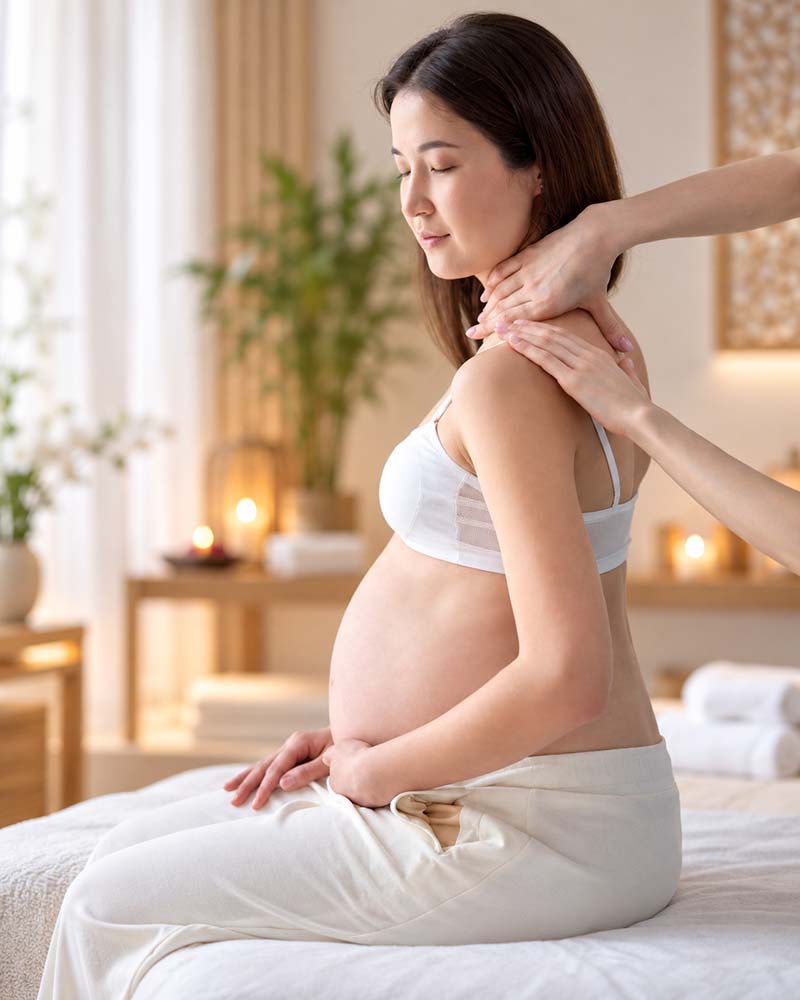
Pregnancy massage is a specialised treatment designed to support the body during pregnancy in a safe, gentle and professional way. It focuses on comfort, relaxation and easing common areas of tension that can develop as the body changes.
During pregnancy, many women experience discomfort such as back tension, shoulder tightness, heavy legs and general physical fatigue. Pregnancy massage can help provide relief while also creating a calm and supportive treatment experience.
This type of massage is carefully adapted to the stage of pregnancy and to the individual client’s needs. Positioning, comfort, pressure and treatment areas must always be considered properly to make sure the treatment is both safe and appropriate.
Throughout the course, students learn that pregnancy massage is not simply a standard massage routine. It requires understanding, care, correct positioning and the ability to adapt treatment professionally for each client.
COURSE CONTENT
What Will You Learn?
The course combines essential theory with supervised practical training. Topics covered include:
Understanding the physical changes that occur during pregnancy
Client consultation and medical history
Pregnancy-specific contraindications and precautions
Health, safety and hygiene
Appropriate client positioning
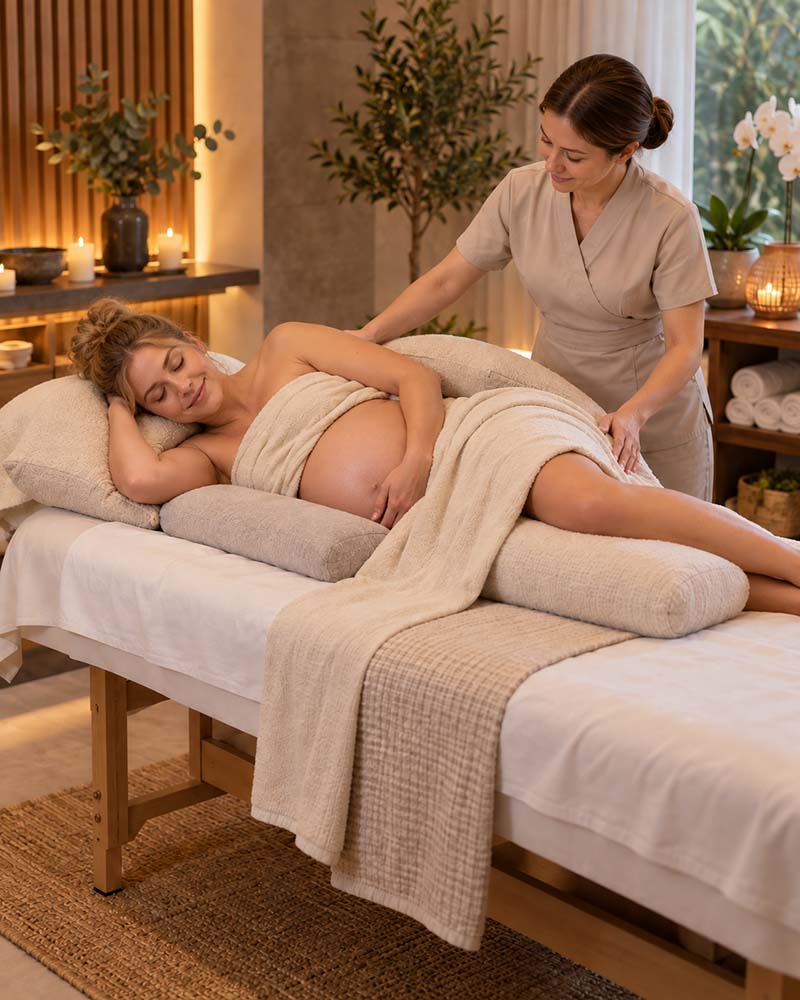
Side-lying massage techniques
Supported positioning using pillows and bolsters
Client comfort throughout treatment
Professional draping and maintaining client dignity
Appropriate massage pressure
Adapting massage techniques during pregnancy
Massage techniques for the back, shoulders and neck
Massage techniques for the arms and hands
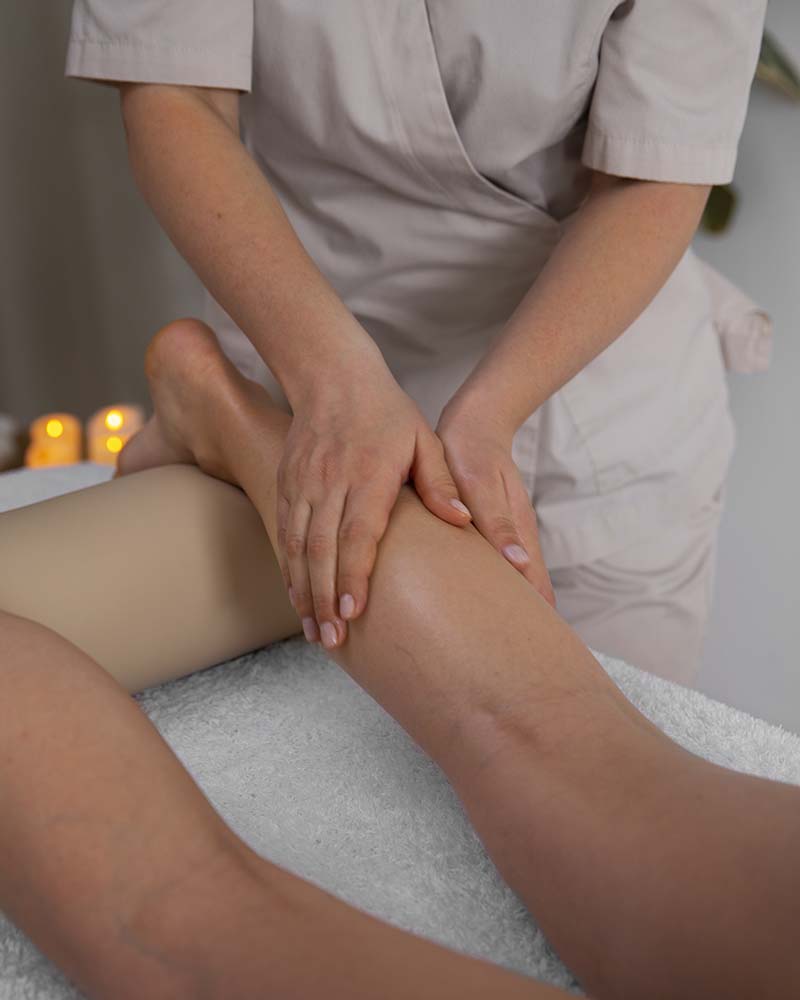
Massage techniques for the legs and feet where appropriate
Treatment planning
Therapist posture and body mechanics
Communication during treatment
Aftercare advice
Professional boundaries
Recognising when massage should be postponed
Recognising when medical advice or referral may be appropriate
You will also learn when pregnancy massage may need to be adapted, postponed or avoided, and when medical advice or referral may be appropriate.
INDIVIDUAL CARE
Every Pregnancy Is Different
There is no single pregnancy experience.
Some women remain very active throughout pregnancy, while others may experience significant physical changes or discomfort.
For this reason, consultation is extremely important.
Pregnancy massage should always be adapted to the individual client, not treated as one standard routine.
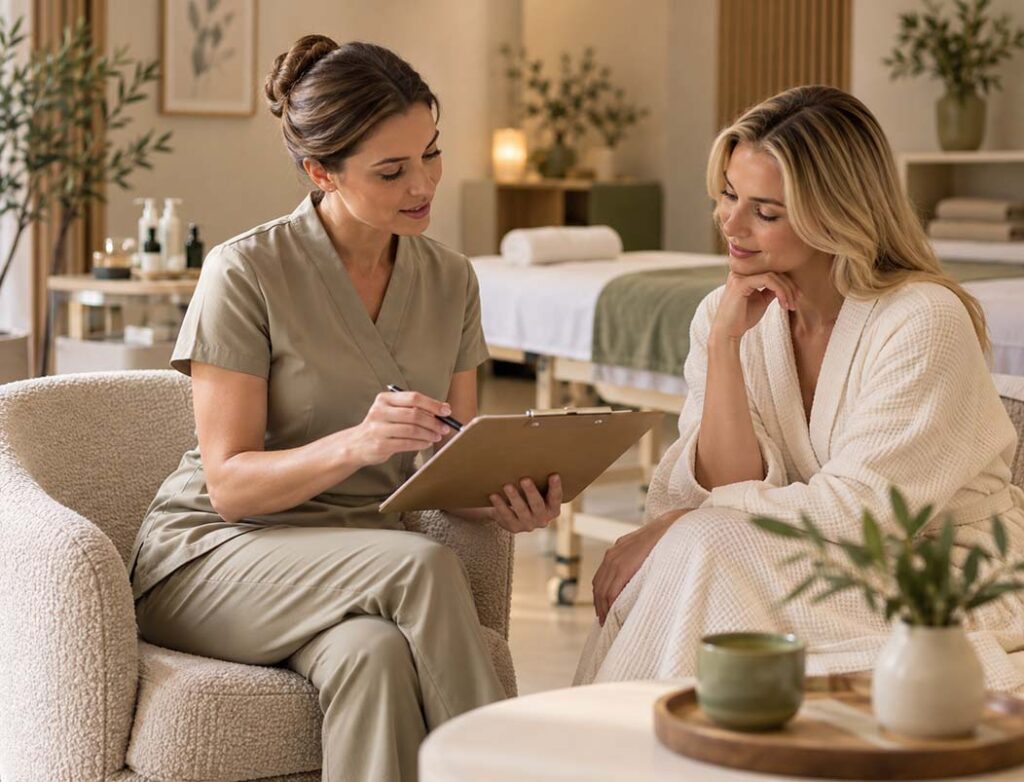
Before providing treatment, the therapist should understand the client’s stage of pregnancy, general wellbeing, relevant medical history and any concerns that may affect treatment.
During training, you will learn how to ask appropriate questions and use the information from your consultation to help plan a suitable treatment within your professional scope.
CLIENT COMFORT & POSITIONING
Safe & Comfortable Positioning
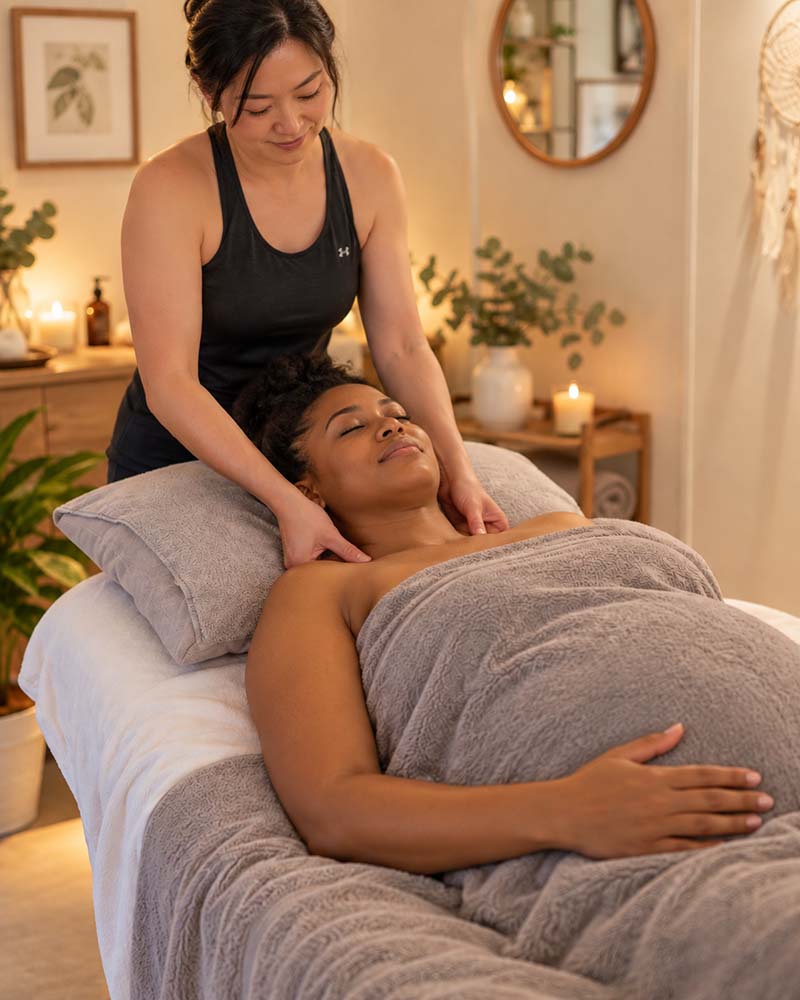
One of the most important elements of pregnancy massage is positioning. As pregnancy progresses, a client may no longer be comfortable lying in positions normally used during a traditional massage.
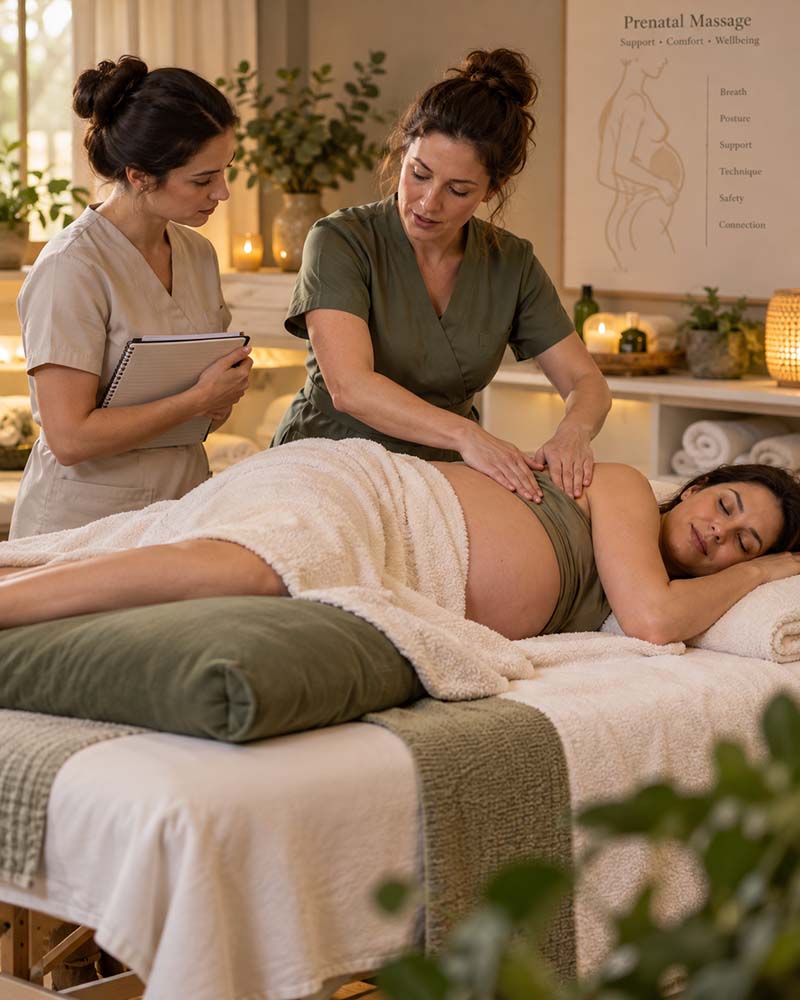
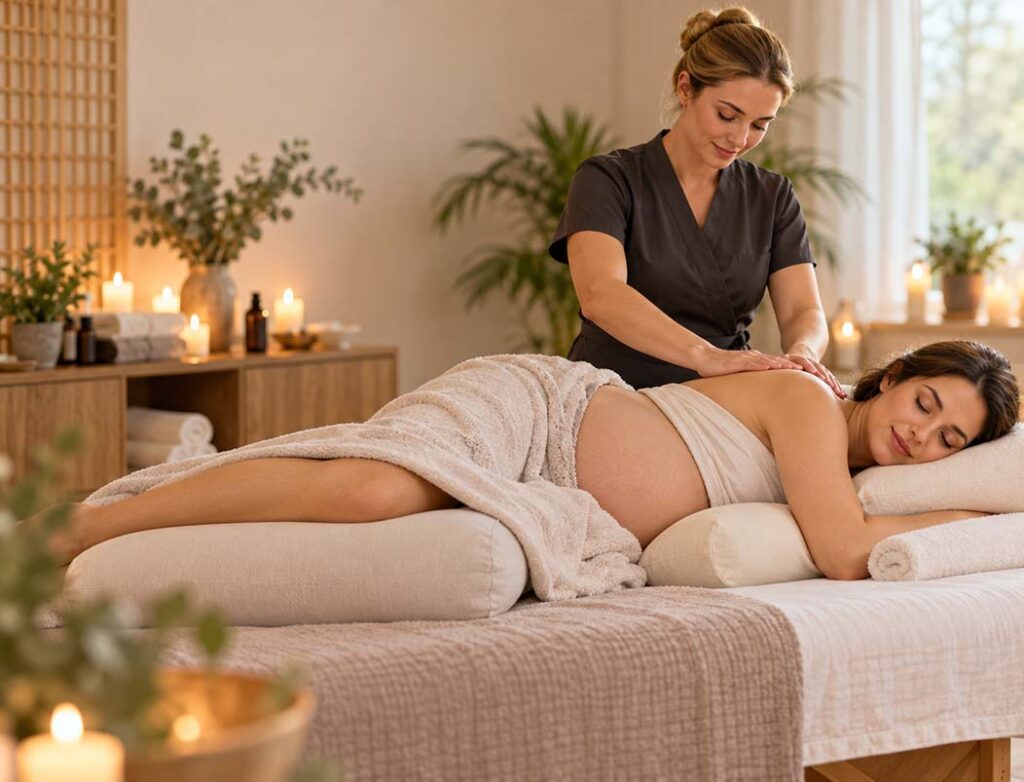
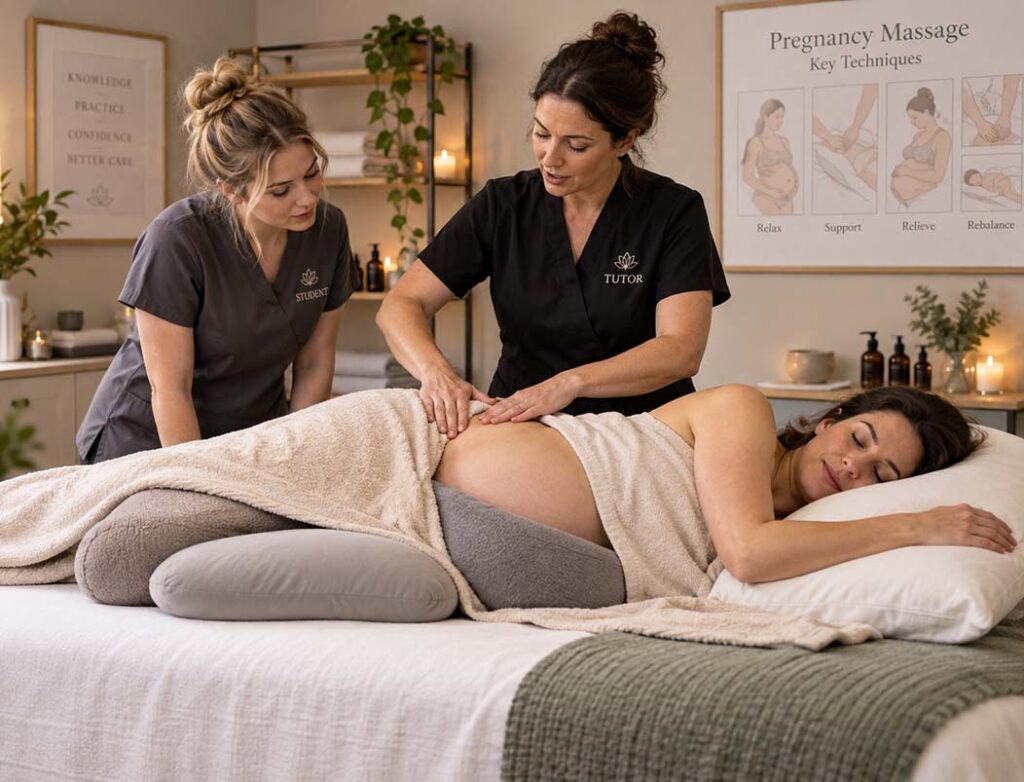
You will learn how to use pillows, towels and appropriate support to create a comfortable and secure treatment position.
Side-lying positioning is an important part of the practical training.
You will also learn how to support your client while maintaining professional draping, dignity and comfort throughout the treatment.
Correct positioning can help the client feel more relaxed while also allowing the therapist to work safely, comfortably and with greater control throughout the treatment.
Pregnancy massage is a practical skill, and hands-on learning is an important part of this course.
Techniques will be demonstrated step by step before you practise under supervision.
During your practical sessions, I will help you improve your client positioning, use of pillows and support, professional draping, hand positioning, pressure control, massage techniques, treatment sequence and overall treatment flow.
You will also receive guidance on therapist posture, communication and creating smooth transitions throughout the treatment.
You will have time to practise, ask questions and receive individual feedback as your confidence develops.
A professional pregnancy massage begins with a thorough consultation.
Before treatment, it is important to establish relevant information including the stage of pregnancy, general health, pregnancy-related considerations and any advice the client may have received from her healthcare team.
Pregnancy itself does not automatically mean that massage is unsuitable. However, certain symptoms, medical conditions or pregnancy complications may mean that treatment needs to be modified, postponed or avoided.
If there is any uncertainty about whether massage is appropriate, the client may need to seek advice from an appropriate healthcare professional before treatment is provided.
CLIENT SAFETY
Contraindications & Precautions
Understanding contraindications is an essential part of pregnancy massage training.
During the course, we discuss circumstances that require additional caution and situations where massage should not proceed.
These may include certain pregnancy complications, acute illness, fever, infection, unexplained symptoms or concerns that require medical assessment.
We also discuss warning signs that should never simply be treated as muscular discomfort.
A professional therapist must understand the limits of their role. Massage therapists do not diagnose pregnancy-related medical conditions.
If something is outside your professional competence, the safest and most professional decision may be to postpone treatment and recommend appropriate medical advice.
Client safety should always come before completing a treatment.
PROFESSIONAL RESPONSIBILITY
Knowing When NOT to Massage
Being a good therapist is not only about knowing how to perform a treatment.
You also need to recognise when massage may not be appropriate. Client safety should always come first.
If a pregnant client presents with symptoms or circumstances that raise concern, treatment should not simply continue because an appointment has been booked.
Understanding your professional limits and knowing when to postpone treatment or recommend appropriate referral is an essential part of responsible practice.
Pregnancy can change how a woman feels physically and emotionally, and some clients may feel more vulnerable or self-conscious about their changing body.
Professionalism, communication and respect are therefore especially important during pregnancy massage.
During training, we discuss appropriate draping, privacy, client dignity, consent and professional boundaries.
The client should always understand what you are going to do and feel comfortable throughout the treatment.
Every client should feel respected, informed and comfortable throughout the entire treatment.
Pregnancy massage is often chosen by clients who want time to relax and feel cared for during a period when their body is experiencing significant change.
A calm treatment environment, appropriate positioning and gentle professional touch can all contribute to a comfortable massage experience.
Your role as a therapist is not to make unrealistic medical promises.
Your role is to provide a professional massage treatment within your training and scope of practice while responding appropriately to the needs of the individual client.
WORK SAFELY & EFFICIENTLY
Correct Therapist Posture
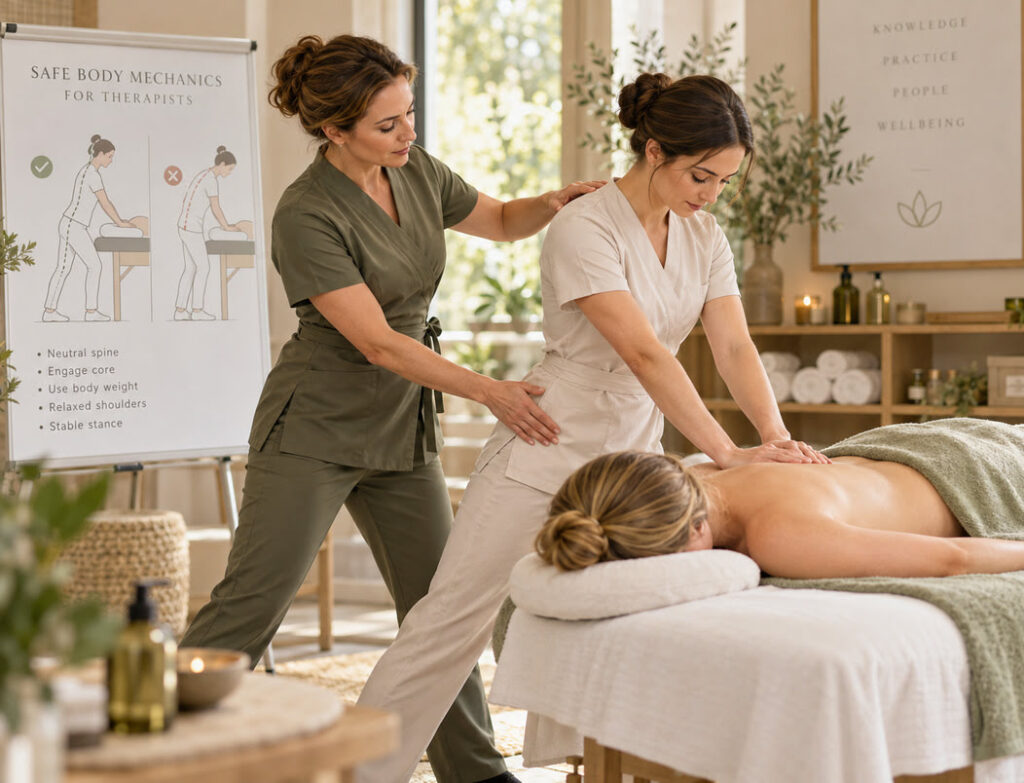
Working in side-lying and supported positions can require you to adapt your own working posture.
During practical training, we will also focus on your body mechanics.
You will learn how to position yourself around the treatment table and use your body efficiently so that you can work comfortably while maintaining good technique.
Protecting your own body is an important part of building a sustainable career as a massage therapist.
At Liz Academy Hub, classes are deliberately kept small.
Pregnancy massage requires careful attention to positioning and technique, so I want to be able to observe each student properly.
Small classes allow more time for individual guidance, corrections, questions and practical practice.
I want you to feel comfortable asking questions.
If you are unsure about something, I would much rather you ask during your training than leave the course uncertain.
SMALL CLASSES
INDIVIDUAL GUIDANCE
PRACTICAL SUPPORT
Learn With Confidence
Pregnancy massage requires care, attention and practice.
During the practical sessions, I will observe your client positioning, use of pillows and support, draping, pressure control, massage techniques and treatment flow, and help you make adjustments where needed.
The small class environment gives you the time and space to practise at a comfortable pace, ask questions and build confidence in adapting your treatment safely and professionally for pregnant clients.
You will also have time to repeat techniques, receive individual corrections and build confidence.
Where possible and appropriate, practical training may include experience with a pregnant model who is suitable to receive massage.
This gives students valuable experience in consultation, positioning, communication and adapting their techniques to a real pregnant client.
Where an appropriate pregnant model is not available, positioning and selected techniques may also be demonstrated and practised through suitable simulated learning exercises.
Safety and suitability will always take priority when selecting practical models.
This course is designed primarily for therapists who already have appropriate massage training and would like to add pregnancy massage to their professional services.
Qualified massage therapists
Body massage therapists
Sports massage therapists
Deep tissue massage therapists
Wellness professionals with appropriate massage qualifications
Therapists wishing to expand their services for female clients
Previous massage knowledge or qualifications may be required. If you are unsure whether your existing qualification is suitable, please contact Liz Academy Hub before booking.
PRACTICAL ASSESSMENT
Demonstrating Safe & Professional Pregnancy Massage
During the course, you will be observed while demonstrating the knowledge and practical skills required for pregnancy massage.
CONSULTATION & SAFETY
Professional consultation, recognition of contraindications and precautions, and preparing the treatment environment.
POSITIONING & SUPPORT
Safe client positioning, appropriate use of pillows and support, and professional draping.
TECHNIQUE & COMMUNICATION
Massage technique, pressure control, client communication and treatment flow.
PROFESSIONAL PRACTICE
Therapist posture, appropriate aftercare and professional conduct.
COURSE DETAILS
Practical Experience, Certification & Course Fee
The Pregnancy Massage Course combines theory, demonstrations, supervised practical work and assessment to help you develop safe, confident and professional treatment skills.
Practical Experience
Develop your skills through demonstrations, supervised practical work and individual guidance throughout the training.
You will practise safe positioning, appropriate pressure, professional draping and treatment flow while receiving feedback to help build your confidence.
Course Duration
1 Day Practical Training
The training includes theory, demonstrations, supervised practical work and assessment.
Students will receive information regarding preparation and course requirements before attending.
Certification
Students who successfully complete the required training and practical assessment will receive the relevant Pregnancy Massage CPD Certificate through Liz Academy Hub.
Students should ensure that their existing qualifications, certification and professional insurance meet the requirements for the treatments they intend to offer.
Course Fee
£100
A deposit is required to secure your training date. Please contact Liz Academy Hub for available training dates and booking information.
Sometimes a new chapter begins with one new skill.
If you are ready to learn, develop your confidence and invest in yourself, Liz Academy Hub is here to support you on that journey.
Liz Academy Hub
Learn a New Skill. Build Your Confidence. Change Your Future.